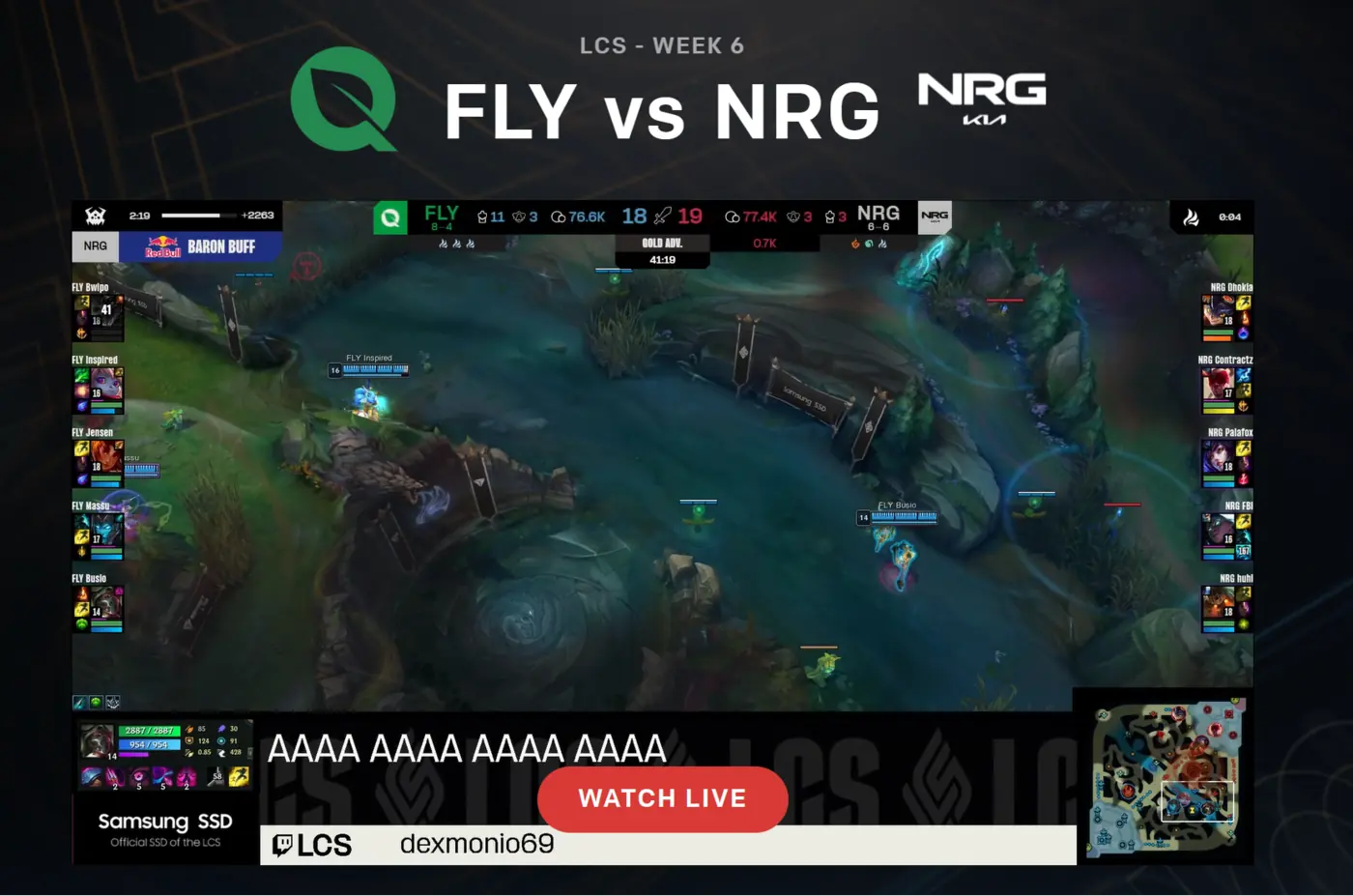
The League of Legends World Championship, commonly called Worlds, is Riot Games’ annual international tournament for professional League of Legends. Regional competition determines the participating teams, and a multi-stage event produces a world champion. This guide explains how Worlds works, why its format changes, what viewers are watching inside each match, and how the tournament fits into the wider esports ecosystem.
League of Legends World Championship at a glance
| Organizer | Riot Games and its LoL Esports operations |
|---|---|
| Game | League of Legends, played on Summoner’s Rift |
| Core competition | Five-player teams representing regional leagues and qualifying paths |
| Typical stages | Play-In or qualifying stage, Swiss stage, and single-elimination knockout bracket; details vary by edition |
| Match lengths | Best-of-one, best-of-three, or best-of-five series depending on the stage and year |
| How to watch | Official LoL Esports streams, regional broadcast partners, and authorized co-streams where available |
| Schedule source | The official LoL Esports site and event rules for that edition |
Worlds is the season-ending international competition, but it is not a fixed tournament template. Riot has changed qualification slots, regional structures, Play-In systems, seeding, draw restrictions, match lengths, and the main-stage format over time. An evergreen explanation therefore needs to separate the tournament’s stable purpose from rules that belong to one edition.
What happens in a League of Legends match?
Two teams of five compete on Summoner’s Rift. Each player controls a champion with distinct abilities and usually fills a role associated with the top lane, jungle, middle lane, bottom-lane damage position, or support. A team wins by destroying the opposing Nexus, but reaching it requires coordinated control of lanes, structures, neutral objectives, vision, gold, experience, and the map.
Before play begins, teams draft champions through picks and bans. Drafting is strategic because champion combinations create different strengths, damage profiles, engagement tools, scaling curves, and lane matchups. In a multi-game series, teams also adapt to what the opponent revealed in earlier games. The same roster can look different after changing one ban, lane priority, jungle route, or objective plan.
- Early game: teams establish lane control, track the opposing jungler, contest vision, and decide which objectives are worth resources.
- Mid game: structures fall, players move between lanes, and coordinated fights around dragons, Rift Herald, or Baron become more important.
- Late game: death timers and high-value objectives make individual positioning, vision denial, and a single team fight potentially decisive.
How teams qualify for Worlds
Teams generally qualify through results in Riot’s regional competitions and, in some editions, performance at another international event such as the Mid-Season Invitational. The exact number of teams and slots assigned to each region changes. League names and structures also evolve, so an old list of LCS, LEC, LCK, LPL, and smaller “emerging regions” can become inaccurate quickly.
The useful principle is that Worlds is not an open sign-up tournament. Professional teams first compete within approved regional systems, satisfy roster and eligibility rules, and earn a seed through the published qualification path. Seeding affects entry stage and initial opponents, but the event rules for the current year are the authority.
The modern Worlds format
The original article described a round-robin group stage as though it were permanent. Riot replaced the main group stage with a Swiss format in 2023 and has continued adjusting the surrounding structure. As a dated example, Riot’s official 2026 primer lists three stages: Play-In, Swiss, and Knockout.
Play-In
Play-In determines which lower-seeded or designated qualifying teams reach the main field. The number of entrants and bracket design are not constant. For 2026, Riot published a four-team, best-of-five double-elimination bracket with one team advancing. A reader checking another edition should not assume those numbers still apply.
Swiss stage
In a Swiss system, teams with the same or similar records are paired across successive rounds rather than remaining in one static group. The 2026 format uses five rounds: three match wins advance a team and three losses eliminate it. Initial draw tiers and regional restrictions can apply, while later rounds may permit same-region matches. Series length also varies by round and record.
Knockout stage
Eight surviving teams enter a single-elimination bracket of quarterfinals, semifinals, and the final. These are normally best-of-five series. A team that loses is eliminated, so preparation includes draft depth, opponent scouting, adaptation between games, and the stamina to play a long series.
Anyone planning travel, broadcasts, fantasy selections, or Pick’Ems should use the official schedule rather than a general guide. Match dates, start times, venues, draws, and eligibility conditions can change and are published for each tournament.
Why the competition changes from year to year
League of Legends is a live-service game. Champion balance, items, map systems, neutral objectives, and strategic priorities change through patches. Riot selects a competitive patch for the event, and teams prepare for that version rather than the live game at any later date. A champion that defined one Worlds may be weak, redesigned, disabled, or absent at another.
Format design also tries to balance competitive fairness, regional diversity, broadcast time, travel, and the value of qualification seeds. No format eliminates every tradeoff. Swiss pairing produces matches between teams with comparable records but creates draw-dependent paths; a single-elimination bracket makes every series consequential but offers no lower-bracket recovery.
From the 2011 championship to a touring event
The first World Championship took place at DreamHack in Sweden in June 2011. Fnatic defeated Against All Authority in the final. Riot’s own retrospective describes a comparatively intimate event competing for space and attention at DreamHack—a useful contrast with later finals held in major arenas.
Worlds subsequently became a traveling production hosted across countries and regions. The event’s history includes dominant teams, unexpected runs, major roster changes, and players whose careers span different competitive eras. T1 and Faker are central to that history, but an evergreen article should avoid freezing championship totals or calling any player’s current form permanent; those facts require an edition-specific update.
For a broader timeline of the medium surrounding esports, see BlockTechBuzz’s video game history guide. The standout video games comparison covers a different set of modern game experiences outside competitive League.
Broadcast, production, and fan participation
A Worlds broadcast combines live observer feeds, commentary, analyst desks, player cameras, statistics, replay systems, stage production, interviews, and localized language coverage. Official broadcasts explain the match for a wide audience, while authorized co-streams can offer a different commentary style where Riot permits them.
The opening ceremony, annual anthem, visual identity, in-game event content, fan art, cosplay, and watch parties extend Worlds beyond the matches. These elements are marketing and cultural programming, not evidence that viewership rises every year. Audience measurements can differ by platform, territory, metric, and whether Chinese services are included, so unsupported “record-breaking” claims should be avoided.
Streaming is a core distribution channel for esports. BlockTechBuzz’s guide to esports live streaming examines platforms, rights, monetization, moderation, and audience development.
Competitive integrity and the professional ecosystem
Worlds operates under tournament rules covering eligibility, rosters, substitutions, equipment, match procedures, conduct, pauses, penalties, and competitive integrity. Teams also employ coaches, analysts, managers, performance staff, content teams, and business personnel. The visible five-player lineup is only part of a professional organization.
Esports careers remain uncertain. Qualification is difficult, rosters change, regional rules differ, and revenue depends on league structures, sponsorship, team finances, media arrangements, and fan demand. Worlds demonstrates elite competition; it does not prove that professional play is a stable career for most players.
Different games build international championships in different ways. The guide to Dota 2’s The International provides a useful comparison without treating one tournament model as universal.
How a new viewer can follow Worlds
- Use the official schedule: confirm the edition, time zone, stage, and broadcast language.
- Watch the draft: commentators explain priority champions, bans, lane matchups, and team composition goals.
- Track gold and objectives: kills matter, but structures, dragons, Baron, vision, and map control often explain the real advantage.
- Follow one team: knowing its players, region, and preferred style makes the bracket easier to understand.
- Expect format-specific terms: check the official primer for draw rules, advancement records, and series lengths.
Reading the match without knowing every champion
New viewers do not need to memorize the full champion roster. Start with each composition’s broad plan. One team may prefer long-range damage and disengagement; another may need to start close fights; a third may rely on side-lane pressure or late-game scaling. The broadcast draft desk and on-screen graphics usually identify these themes.
Gold leads are useful but incomplete. Where the gold sits matters: an advantage on a damage dealer may affect the next fight more than the same amount spread across utility roles. Item completions, summoner-spell cooldowns, ultimate abilities, vision, lane position, and objective timers help explain why a team chooses to fight or wait.
Do not assume the team with more kills is winning. A team can trade a player for structures, an objective, vision control, or a favorable map state. Conversely, a flashy kill may accomplish little if the opponent takes Baron or reaches a decisive item breakpoint. Good analysis connects the play to what becomes possible afterward.
Attending Worlds in person
Tickets, age rules, bag policies, prohibited items, accessibility services, re-entry, recording restrictions, and transferred-ticket procedures belong to the venue and event edition. Check the official ticket provider and venue page rather than relying on social posts or screenshots. International travelers should also verify entry documents, transportation, time zones, and refund terms before committing to nonrefundable arrangements.
An arena day can be long, especially during a best-of-five series. Plan for security lines, food and water rules, hearing comfort, device charging, and the trip home. Fans using accessibility accommodations should contact the venue early because seating and companion policies vary. Buying from an unauthorized reseller can create invalid-ticket and refund risks.
How to interpret records and viewership claims
Championship totals, regional records, player milestones, and audience statistics change. A record also needs a definition: peak concurrent viewers differs from average minute audience, total hours watched, unique accounts, or television reach. Some reports include every platform and language while others exclude services whose data is not comparable.
Use a dated official release or a transparent measurement provider when citing a number, and state the metric and coverage. Describing Worlds as globally distributed is supportable; claiming it breaks its own viewership record every year is not.
Frequently asked questions
Is Worlds the same format every year?
No. Riot changes qualification, seeding, Play-In, draw, and match rules. The current event primer and official rules take precedence over older guides.
What replaced the old group stage?
Riot introduced a Swiss stage for the main field in 2023. Teams play opponents with matching records until they reach the required number of wins or losses, subject to that year’s draw rules.
Do teams play on the normal live patch?
Not necessarily. Professional events use a designated tournament patch so teams can prepare and the rules remain stable during competition.
Where should viewers check current information?
Use the official LoL Esports website for qualified teams, brackets, schedules, rules, streams, ticket information, and event-specific policies.
Conclusion
The League of Legends World Championship combines a demanding strategy game, regional qualification, international series, and a large live-media production. Its history matters, but its format, participants, patch, venues, and records must be checked for each edition.
For new viewers, understanding the Nexus, draft, objectives, series format, and advancement rules is enough to begin. The official event primer supplies everything that changes.
Leave a Reply