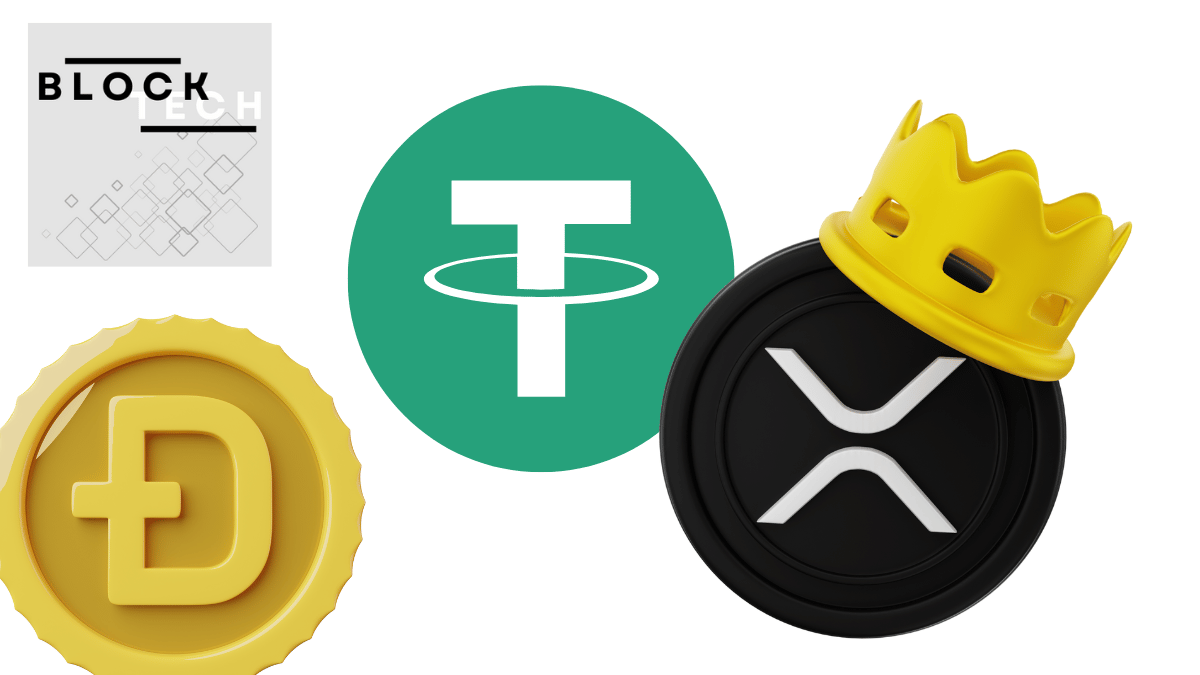
When you think of cryptocurrency, chances are that Bitcoin immediately comes to mind. It’s the OG, the head honcho, the digital gold. But Bitcoin is just one coin in a bustling crypto universe. Enter altcoins, a term that covers all cryptocurrencies other than Bitcoin. If Bitcoin is the superstar quarterback, altcoins are the rest of the team—diverse, essential, and sometimes even flashier.
In this beginner’s guide, we’ll take a deep dive into altcoins. We will explore what they are. We’ll examine why they exist. Finally, we’ll show you how you can get started with them.
What Are Altcoins?
The term “altcoin” simply means alternative coins—any cryptocurrency that isn’t Bitcoin. These coins are built on blockchain technology, just like Bitcoin. However, they often aim to solve specific problems or provide additional features. From creating decentralized applications to facilitating ultra-fast transactions, altcoins diversify the crypto landscape.
Some well-known altcoins include:
- Ethereum (ETH): Known for its smart contracts and decentralized applications.
- Litecoin (LTC): Dubbed the “silver” to Bitcoin’s gold, it offers faster transactions.
- Cardano (ADA): Focuses on sustainability and scalability.
- Ripple (XRP): Primarily used for fast and cost-effective cross-border payments.
Why Do Altcoins Exist?
Bitcoin is revolutionary, but it’s not perfect. Altcoins emerged to address some of Bitcoin’s limitations, such as:
- Speed: Bitcoin transactions can be slow. Altcoins like Litecoin offer faster processing times.
- Cost: Some altcoins reduce transaction fees significantly.
- Functionality: Ethereum introduced smart contracts, enabling decentralized apps (DApps) and expanding blockchain’s potential.
- Specialization: Altcoins often target niche markets. For example, Monero (XMR) focuses on privacy, while Chainlink (LINK) specializes in connecting smart contracts to real-world data.
Types of Altcoins
Altcoins aren’t a monolithic group. Let’s break them down into key categories:
1. Stablecoins
- Designed to minimize volatility by pegging their value to a stable asset, like the US dollar.
- Examples: Tether (USDT), USD Coin (USDC).
- Why Use Them: Great for storing value or transferring funds without worrying about price fluctuations.
2. Utility Tokens
- Used within specific ecosystems to power applications or pay for services.
- Examples: Basic Attention Token (BAT) for digital advertising, Filecoin (FIL) for decentralized storage.
- Why Use Them: To participate in or support a particular blockchain project.
3. Privacy Coins
- Focus on anonymous transactions by obscuring user identities and transaction details.
- Examples: Monero (XMR), Zcash (ZEC).
- Why Use Them: For privacy-conscious individuals or those transacting in sensitive industries.
4. Meme Coins
- Often created as jokes but can gain massive popularity (and volatility).
- Examples: Dogecoin (DOGE), Shiba Inu (SHIB).
- Why Use Them: Fun, speculative trading—just don’t put in your life savings.
5. Governance Tokens
- Allow holders to vote on changes to a blockchain protocol.
- Examples: Uniswap (UNI), Maker (MKR).
- Why Use Them: To have a say in the future direction of a project.
How to Get Started with Altcoins
1. Research, Research, Research
Before diving in, learn about the altcoin you’re interested in. Ask yourself:
- What problem does it solve?
- Who is behind the project?
- How active is its development community?
- Is it listed on reputable exchanges?
2. Choose a Secure Exchange
Sign up for a trusted cryptocurrency exchange to buy and trade altcoins. Popular platforms include:
- Binance
- Coinbase
- Kraken Ensure the platform supports the altcoin you want.
3. Get a Wallet
Cryptocurrency wallets are essential for storing your altcoins securely. Types include:
- Hot Wallets: Connected to the internet (e.g., Coinbase Wallet, MetaMask).
- Cold Wallets: Offline for maximum security (e.g., Ledger, Trezor).
4. Start Small
Invest only what you can afford to lose. Cryptocurrencies, especially altcoins, are notoriously volatile.
5. Diversify
Don’t put all your eggs in one basket. Spread your investments across different altcoins to minimize risk.
Pros and Cons of Altcoins
Pros
- Innovation: Many altcoins bring exciting new technology.
- Accessibility: Lower prices compared to Bitcoin.
- Diverse Use Cases: From gaming to finance, altcoins power various industries.
- High Potential: Some altcoins have seen massive returns (though not guaranteed).
Cons
- Volatility: Prices can swing wildly.
- Scams: The crypto space isn’t immune to fraud.
- Limited Adoption: Not all altcoins are widely accepted or useful.
- Complexity: Understanding and managing altcoins can be daunting for beginners.
Tips for Altcoin Success
- Stay Updated: Follow news and trends in the crypto world.
- Avoid Hype: Don’t buy coins just because they’re trending on social media.
- Verify Claims: Always check the legitimacy of a project before investing.
- Understand Taxes: Cryptocurrency investments often come with tax implications—don’t get caught off guard.
Final Thoughts
Altcoins represent the diversity and innovation of the cryptocurrency market. You might be attracted to Ethereum’s smart contracts. Perhaps Dogecoin’s meme magic captures your attention. Maybe you find a niche project that aligns with your interests. There’s likely an altcoin for you. However, approach with caution, do your homework, and remember: while the rewards can be significant, so can the risks.
So, which altcoin are you curious about? Are you looking for a fun investment, or do you want to back groundbreaking technology? The world of altcoins awaits—happy exploring!
Also Read: How to Build Your Own PC: A Step-by-Step Guide – BlockTech


Leave a Reply