
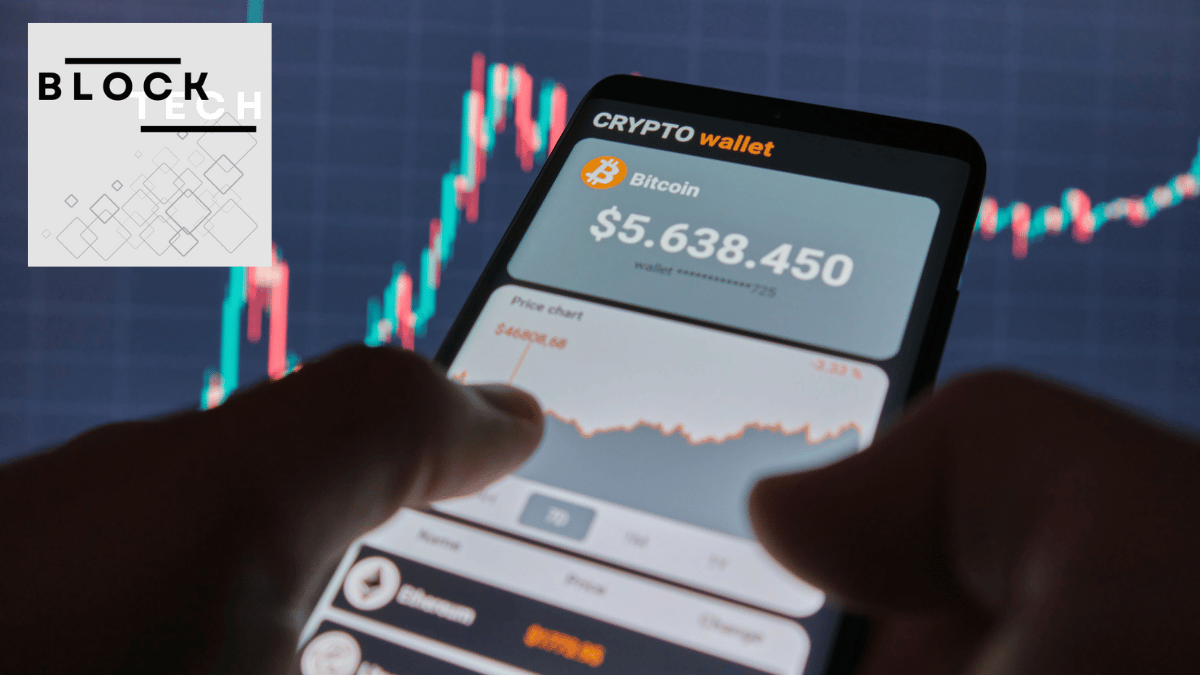
Cryptocurrencies, digital wallets, and blockchain – oh my! If you’re just dipping your toes into the crypto world, chances are you’ve come across the term crypto address. It might sound like the digital equivalent of your home address. However, instead of pizza deliveries, it’s for sending and receiving digital assets. Intrigued? Let’s explore the essentials of what a crypto address is. We will discuss how it works and how to use it effortlessly.
What Exactly Is a Crypto Address?
A crypto address is a unique identifier used in the world of cryptocurrency to send and receive digital funds. Think of it like an email address. However, instead of messages, you’re dealing with Bitcoin, Ethereum, or any of the other thousands of cryptocurrencies in cyberspace.
The beauty of a crypto address is that it’s:
- Unique: Every address is as one-of-a-kind as a snowflake (well, one in theory; no two are alike).
- Anonymized: It doesn’t tie directly to your name or personal info, making it perfect for maintaining your privacy.
- Secure: Thanks to the blockchain, transactions tied to these addresses are immutable and transparent.
How Does It Look?
A crypto address typically looks like a long string of random letters and numbers. Here’s an example of a Bitcoin address:
1BoatSLRHtKNngkdXEeobR76b53LETtpyT
Some addresses are even longer depending on the type of cryptocurrency you’re using. Ethereum addresses, for example, start with 0x and are 42 characters long:
0x32Be343B94f860124dC4fEe278FDCBD38C102D88
Looks complicated, right? But don’t worry—you don’t have to memorize it. Copy-and-paste will be your best friend.
How Does a Crypto Address Work?
Crypto addresses operate on blockchain technology—a decentralized, distributed ledger. When someone sends cryptocurrency to your address, the transaction is recorded on the blockchain. Here’s a simplified breakdown:
- Sender’s Intent: They decide to send you crypto and input your address.
- Transaction Processing: The blockchain verifies the transaction (using miners or validators).
- Success!: The crypto lands safely in your digital wallet, visible under your crypto address.
No intermediaries, no bank waiting periods, just pure peer-to-peer magic. ✨
How Do I Use a Crypto Address?
Using a crypto address might sound intimidating at first. However, it’s actually quite simple once you get the hang of it. Here’s a step-by-step guide:
1. Getting Your Crypto Address
To use a crypto address, you first need a crypto wallet. This can be a software wallet (like an app) or a hardware wallet (a physical device). Once you’ve set it up:
- Open your wallet.
- Look for an option labeled “Receive†or “Deposit.â€
- Your crypto address will appear. It may even come with a QR code for easy scanning.
Pro Tip: Always double-check the address—crypto transactions are irreversible! Copying and pasting is far safer than typing it out manually.
2. Sending Crypto
When you’re sending funds to someone else:
- Ask for their crypto address.
- Paste it into your wallet’s “Send†section.
- Enter the amount of crypto to send.
- Double-check everything before hitting “Send.”
Mistakes can be costly—sending funds to the wrong address means they’re gone for good. 🫣
3. Receiving Crypto
Want to get paid in crypto? Here’s how:
- Share your crypto address with the sender. (QR codes are great for this too.)
- Wait for them to send the funds.
- Check your wallet. Most transactions are processed in minutes, but some can take longer depending on the blockchain.
4. Using QR Codes
Many wallets generate a QR code alongside your crypto address. These are especially handy for mobile users. Just let the sender scan your code, and voilà —no copy-pasting required.
Common Mistakes and How to Avoid Them
Even seasoned crypto users can make mistakes. Here are the most common blunders and tips to sidestep them:
1. Using the Wrong Address Type
Each crypto has its own unique address format. For example:
- Bitcoin addresses start with
1,3, orbc1. - Ethereum addresses always start with
0x.
Solution: Ensure the address matches the cryptocurrency you’re transacting with. Sending Bitcoin to an Ethereum address = lost funds. 😱
2. Typos
Addresses are long and complex, making manual entry prone to errors.
Solution: Always copy and paste. Use the QR code when available.
3. Falling for Scams
Phishing sites, fake wallets, and fraudulent schemes often trick users into sending funds to the wrong address.
Solution: Only use trusted wallets and double-check URLs when entering your wallet online.
Why Should You Care About Crypto Addresses?
Crypto addresses are the backbone of digital currency transactions. Without them, you can’t send, receive, or store your crypto assets. They’re essential for:
- Investments: Buying and holding crypto for long-term growth.
- Transactions: Paying for goods and services with cryptocurrency.
- Privacy: Maintaining anonymity in financial dealings.
With millions adopting crypto worldwide, understanding crypto addresses is your first step to joining the financial revolution. ðŸŒ
FAQs About Crypto Addresses
1. Can I have more than one crypto address?
Absolutely! Many wallets let you create multiple addresses for added security or organization.
2. Do crypto addresses expire?
Nope! They remain valid as long as your wallet exists.
3. Are crypto addresses private?
Yes and no. While addresses don’t reveal your identity, transactions tied to them are public on the blockchain. Use a new address for every transaction if privacy is a concern.
4. What if I lose my crypto address?
Your wallet will still have it, so you can always retrieve it from there. But losing access to your wallet? That’s a bigger problem. Always back up your wallet’s private keys or seed phrases.
Ready to Rock the Crypto World?
Now that you’re armed with the basics of crypto addresses, it’s time to put your knowledge into action. Whether you’re investing, trading, or just testing the waters, you must understand how to use crypto addresses. This understanding is the cornerstone of your journey. Sure, it might seem overwhelming at first, but once you get started, you’ll feel like a pro in no time.
So, what are you waiting for? Grab a wallet, get your address, and take your first step into the decentralized future. Who knows—maybe one day you’ll be the one explaining crypto addresses to a newbie. 😊
Have more questions? Drop them below, and let’s keep the conversation rolling! 🚀
Also Read: What Are Public and Private Keys in Cryptocurrency? – BlockTech
Leave a Reply