
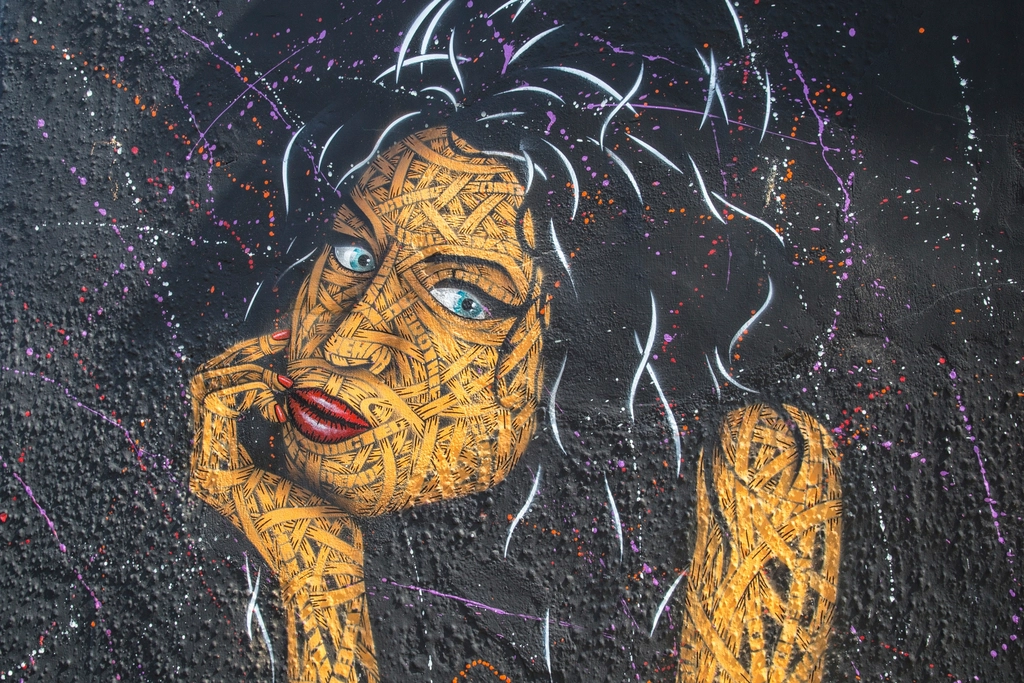
Picture this: you’re at an ultra-hip gallery, espresso in hand, admiring a dazzling array of digital art. Suddenly, you overhear a couple of artsy types chatting about purchasing art with cryptocurrency. “NFTs,” they whisper, as if discussing the latest Banksy stunt. Welcome to the brave new world where art collides with blockchain technology—cryptocurrency in the arts.
NFTs: The Digital Renaissance
NFTs, or Non-Fungible Tokens, have been the talk of the town since digital artist Beeple’s piece sold for a cool $69 million. That’s right, million. It’s like the Mona Lisa of the digital age, only instead of hanging in the Louvre, it’s lodged in the blockchain.
What the Fungible?
Let’s break it down. ‘Non-fungible’ basically means it’s unique and can’t be replaced with something else. For example, a bitcoin is fungible — trade one for another bitcoin, and you’ll have exactly the same thing. A one-of-a-kind trading card, however, is non-fungible. If you traded it for a different card, you’d have something completely different.
The Digital Provenance
NFTs are revolutionary because they solve a crucial issue in the digital art world: provenance. Before blockchain, the concept of owning digital art was as sketchy as a doodle on a napkin. Copying and pasting were the bane of digital artists’ existence. But with NFTs, blockchain technology ensures that the ownership of a digital piece is as concrete as tagging your name on a mural (legally, of course).
Beyond the Hype: Real-World Applications
Digital Ownership Goes Mainstream
Imagine owning a digital sculpture that only you can display in your virtual home, or a piece of music that, when played, is undeniably yours. NFTs make this possible. It’s like holding a golden ticket, but instead of a chocolate factory, you get bragging rights to a unique piece of artistry.
Royalties for Artists
One of the coolest things about NFTs is that artists can receive royalties automatically. Every time the NFT changes hands, ka-ching! The original creator gets a cut. It’s like a musician getting a penny every time someone hums their tune.
The Gaming Crossover
Imagine playing a video game and earning a rare in-game weapon that’s an NFT. You could trade it, sell it, or showcase it in your digital collection. Games like ‘Axie Infinity’ are pioneering this digital frontier, turning in-game assets into valuable collectibles.
The Future of Collectibles
Comic book issue #1, baseball cards, rare stamps—collectibles have always been hot. But now, with NFTs, collectibles have gone digital, and they’re hotter than a CPU running ‘Doom Eternal’ on ultra-settings.
The Criticisms
It’s not all sunshine and rainbows in the NFT world. Critics point out the environmental impact of maintaining the blockchain (hello, energy consumption), and others argue about the longevity of digital ownership. Plus, the market’s as volatile as a Jackson Pollock painting mid-creation.
The Brushstroke on the Canvas of Tomorrow
Cryptocurrency and NFTs are just the beginning. We’re entering a new era where art is no longer confined to galleries and museums—it’s everywhere and belongs to anyone willing to invest in it. It’s an exciting, if slightly daunting, prospect.
Are you ready to be part of the movement? Before you jump in, remember the crypto mantra: DYOR (Do Your Own Research). The art world is notorious for its ebbs and flows, and the blockchain-based art world is no different.
To explore the intersection of cryptocurrency and art further, check out Art x Blockchain: Beyond the Hype, which dives deeper into how the technology is revolutionizing the art world.
And for those feeling a little more adventurous, CryptoArte showcases how art and Ethereum have already joined forces, creating colorful, story-rich paintings that double as Ethereum history.
In the digital brushstroke of the blockchain, we find a canvas vast and ripe for creation. So grab your digital palette and let’s paint a decentralized masterpiece. Just remember to cap your virtual paint tubes when you’re done!
Leave a Reply