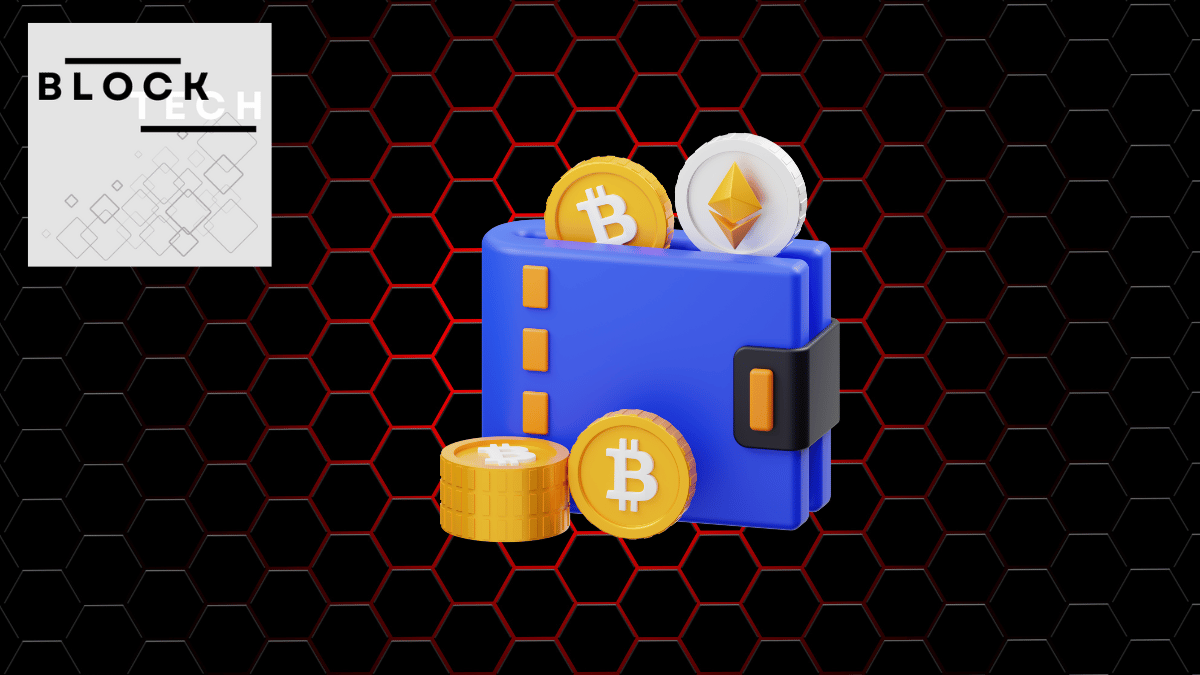
Cryptocurrency is all the rage these days. You might be a seasoned investor with a portfolio impressive enough for Warren Buffett. Or perhaps you’re a newbie dipping your toes in Bitcoin waters. There’s one big question you must answer: How should I store my crypto?
Enter the world of hot wallets and cold wallets, two of the most popular options for safeguarding your digital fortune. But what’s the difference? Which one is safer? And, most importantly, which one is right for you? Grab a cup of coffee (or tea, if that’s your vibe), and let’s break it down.
What Is a Crypto Wallet Anyway?
Before diving into hot and cold storage, let’s get on the same page. A crypto wallet isn’t like the leather one you stuff with receipts and questionable decisions. Instead, it’s a tool that helps you store and manage your cryptocurrency securely.
At its core, a crypto wallet contains private keys—the magical codes that give you access to your digital funds. Lose your private keys, and you might as well say goodbye to your crypto. (Seriously, the blockchain doesn’t do refunds.)
Crypto wallets come in two flavors:
- Hot Wallets (connected to the internet)
- Cold Wallets (offline and disconnected from the internet)
Let’s dive deeper into each.
Hot Wallets: Always Online, Always Accessible
Think of a hot wallet as your digital wallet that’s constantly connected to the internet. It’s like carrying your debit card in your pocket. It’s convenient for everyday use. However, it’s not the safest for storing your life savings.
Examples of Hot Wallets
- Mobile wallets: Apps like Trust Wallet or Coinbase Wallet.
- Desktop wallets: Software like Exodus or Electrum.
- Web wallets: Exchange-hosted wallets, such as Binance or Kraken.
Pros of Hot Wallets
- Convenience: Hot wallets are perfect for quick transactions. Whether you’re buying an NFT or paying for your morning latte with Bitcoin, hot wallets make it simple. Yes, that’s a thing now.
- Accessibility: As long as you have internet access, you can manage your funds from anywhere. You don’t need to lug around hardware or rely on physical devices.
- User-Friendly: Many hot wallets have sleek interfaces, making them ideal for crypto newcomers.
Cons of Hot Wallets
- Security Risks: Since they’re always online, hot wallets are vulnerable to hacking, phishing, and malware attacks. Imagine leaving your front door open with a sign that says, “Free Snacks Inside!”
- Reliance on Internet: No Wi-Fi? No crypto access.
- Custodial Risks (Web Wallets): If you’re using an exchange-hosted wallet, you don’t fully control your private keys. (As the saying goes: “Not your keys, not your crypto.”)
Who Are Hot Wallets Best For? If you’re actively trading crypto or need frequent access to your funds, a hot wallet is your go-to. Just don’t store large amounts—you wouldn’t keep your entire paycheck in your Venmo account, would you?
Cold Wallets: The Crypto Vault
A cold wallet is the Fort Knox of crypto storage. It’s offline, meaning it’s immune to online attacks. Think of it as a safe hidden in a secret bunker, far away from the prying eyes of hackers.
Examples of Cold Wallets
- Hardware wallets: Physical devices like Ledger Nano X or Trezor Model T.
- Paper wallets: A piece of paper with your private and public keys printed on it. (Yes, it’s as low-tech as it sounds.)
- Offline computers: A dedicated device that never connects to the internet.
Pros of Cold Wallets
- Top-Notch Security: With no internet connection, cold wallets are practically hack-proof. Your crypto is safe from online threats.
- Complete Ownership: You control your private keys, ensuring no third party has access to your funds.
- Long-Term Storage: Perfect for HODLers. This is crypto slang for holding onto your assets long-term. Cold wallets let you stash your coins and forget about them.
Cons of Cold Wallets
- Less Convenient: Want to move funds? You’ll need to dig out your device, connect it, and follow a few steps. Not exactly “tap-and-go.”
- Physical Risks: Lose your hardware wallet or paper wallet? Forget the PIN or passphrase? Your funds are gone—forever.
- Learning Curve: Setting up a cold wallet isn’t always beginner-friendly. You might find yourself Googling “how to not mess up my crypto storage.”
Who Are Cold Wallets Best For? If you’re in it for the long haul and prioritize security over convenience, a cold wallet is your best bet. It’s ideal for holding large amounts of crypto that you don’t need to access frequently.
Hot vs. Cold Wallets: A Quick Comparison
| Feature | Hot Wallets | Cold Wallets |
|---|---|---|
| Accessibility | Always online; easy to access | Requires setup to access |
| Security | Vulnerable to hacks | Virtually hack-proof |
| Convenience | Perfect for daily use | Better for long-term storage |
| Control | May rely on third parties | Full control of private keys |
| Risk of Loss | Internet-based risks | Physical loss risks |
Can’t Decide? Use Both!
Here’s a pro tip: You don’t have to choose between hot and cold wallets. Many crypto enthusiasts use a combination of both, leveraging the best of both worlds. Here’s how you can do it:
- Hot Wallet for Everyday Use: Store a small amount of crypto in a hot wallet for quick transactions and trading.
- Cold Wallet for Long-Term Storage: Keep the majority of your funds in a cold wallet for maximum security.
This strategy is like having a checking account for daily expenses and a savings account for your nest egg. Balance is key.
Tips for Safeguarding Your Crypto Wallet
- Backup Your Keys: Whether hot or cold, always backup your wallet’s private keys or recovery phrase. Store this backup in a secure, offline location.
- Use Two-Factor Authentication (2FA): For hot wallets, enable 2FA for an extra layer of security.
- Stay Updated: Keep your wallet software and hardware firmware updated to patch vulnerabilities.
- Beware of Scams: Double-check URLs, avoid suspicious links, and never share your private keys.
- Consider Multi-Signature Wallets: For added security, use wallets that require multiple approvals to access funds.
So, Which One Is Right for You?
Ask yourself:
- Are you an active trader? A hot wallet is a must.
- Are you holding for the long-term? Invest in a cold wallet.
- Do you value convenience or security more? Your answer determines your priority.
Final Thoughts
Choosing between hot and cold wallets isn’t a one-size-fits-all decision. It depends on your goals, risk tolerance, and how often you plan to access your crypto. Whichever you choose, remember that security starts with you. Be vigilant, stay informed, and treat your crypto like the treasure it is.
So, what’s your wallet strategy? Hot, cold, or both? Let me know in the comments—or better yet, send me a Bitcoin tip. 😉
Suggested Read: Introduction to Decentralized Finance (DeFi) – BlockTech


Leave a Reply